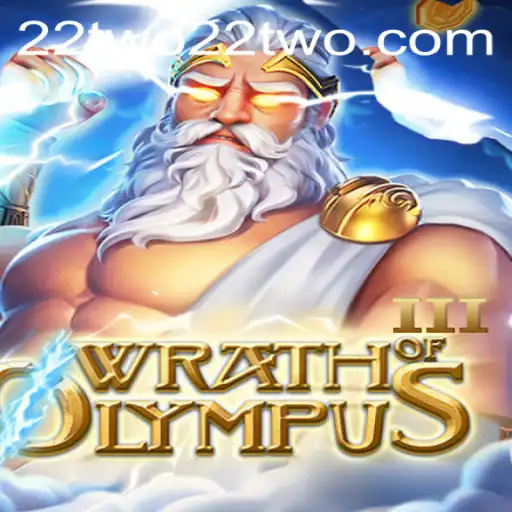
Wrath of Olympus III: Embrace the Chaos with 22two Powers
Introduction to Wrath of Olympus III
The world of ancient mythology and immersive strategy collides spectacularly in Wrath of Olympus III, the latest installment in a beloved gaming saga that draws heavily from Greek mythology and contemporary narratives. This game redefines mythological gameplay with its cutting-edge graphics, dynamic storylines, and intricate strategy development aimed at both long-time fans of the series and newcomers.
Game Description
Wrath of Olympus III thrusts gamers into a universe under siege by chaos and divine wrath. Players step into the sandals of mighty demigods who navigate a tapestry of epic tales and treacherous paths guided by the hands of fate and strategy. The lush landscapes of Olympus, the treacherous underworld of Hades, and the expansive vistas beyond the Elysian fields offer a true feast for virtual adventurers.
The game is infused with elements that are as much cerebral as they are action-packed. The developers have focused on creating realistic combat physics, ensuring every swipe and strike feels authentic. Beyond combat, the game offers rich narrative arcs that deepen the experience, intertwining player choices with the unfolding of legendary battles and myth-laden quests.
Innovative Gameplay and Features
A standout feature in Wrath of Olympus III is the 22two mechanic, a revolutionary gameplay dynamic that redefines how players engage with the divine power structures within the game. This feature introduces dual-path progression, where players can simultaneously pursue two distinct storylines or strategies, toggling between them to maximize minute-to-minute gameplay mastery or narrative nuances.
The introduction of 22two is a nod to the duality present in ancient myths, where gods were both benevolent and malevolent, creating layers of depth and unpredictability in each player decision. These journeys are influenced by the current global trends in gaming that demand more personalized and flexible gaming narratives, allowing players to craft their mythology within the game's framework.
Rules and Mechanics
Character Creation and Development
Upon starting, players create their demigod avatar by selecting from a broad palette of divine and mortal attributes. Each choice affects abilities and interactions with other characters and challenges across Olympus. The game encourages experimentation, permitting players to reset their divine lineage once every in-game year, symbolizing a rebirth drawn from the Greek mythic tradition.
Combat System and Strategy
The heart of Wrath of Olympus III lies within its innovative combat and strategy systems. Unlike straightforward action-based games, this installment requires players to harness both brute force and cunning intellect. The updated tactical view allows players to analyze the battlefield swiftly, deploying special abilities that mirror the unique attributes bestowed by the gods themselves. Players can switch between two strategies under the 22two feature, a critical aspect of gameplay that adds layers of depth and adaptability.
Powers and Artifacts
Leveraging divine artifacts is key to success in the game. Each artifact provides unique powers woven into the mythological fabric, such as wielding Zeus's thunderbolt to strike adversaries or using Athena's shield for unmatched defense. The option to acquire artifacts through quests or winning mythic battles adds a layer of strategy, ensuring that power is both earned and wisely deployed.
Offering Tributes
In a return to classical mythology interplay, players can offer virtual tributes to appease or win favor from the different gods. These tributes can drastically alter a demigod's path, potentially opening new routes on the dual-path 22two system. Engaging with these divine entities in direct prayer or sacrificial offerings dynamically changes the game landscape.
Incorporating Current Events
The launch of Wrath of Olympus III parallels current events in the gaming industry where diversity in gameplay narratives and dynamic player agency are increasingly demanded. The integration of dual-path storytelling in the form of the 22two feature mirrors a growing trend towards non-linear gameplay mechanics, reflecting broader shifts in how modern audiences consume interactive media.
Current environmental themes, such as resource scarcity and renewal, are echoed in in-game environmental challenges where the consequences of player decisions reflect real-world ecological discourse. Completing side quests allows players to indulge in quests that heal or alter the mythic landscape, an allegory for the real-world responsibility of environmental stewardship.
The Cultural Impact of Mythological Gaming
As Wrath of Olympus III enters the cultural sphere, it does more than entertain; it educates and connects diverse player bases through the retelling of age-old myths within a framework ripe for modern reinterpretation. This game serves as a profound reflection of how ancient myths continue to shape our understanding of heroism, sacrifice, and the timeless battle between order and chaos.
As players delve into every nook and cranny of Olympus and beyond, they participate in a living saga. The narrative-driven gameplay fused with precise strategic elements ensures that Wrath of Olympus III remains a meaningful platform where myth and modernity unite in an epic symphony of gaming brilliance.